Smart Home Sensors Explained: Which Ones You Need and Where to Place Them
Sensors are the eyes and ears of your automation system. This smart home sensors explained article breaks down the four essential types, their ideal mounting spots, and the best Zigbee and Wi‑Fi models for each. By the end, you’ll know exactly which sensors to buy and where to stick them making your smart home sensors explained knowledge practical and actionable.
Motion Sensors: Trigger Automation with Presence
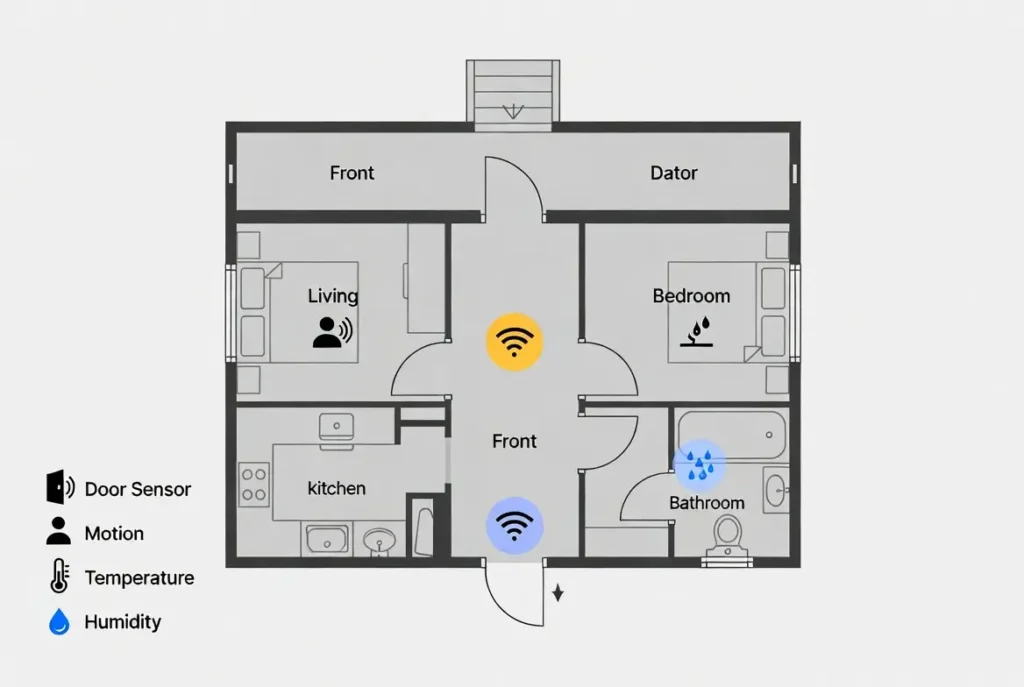
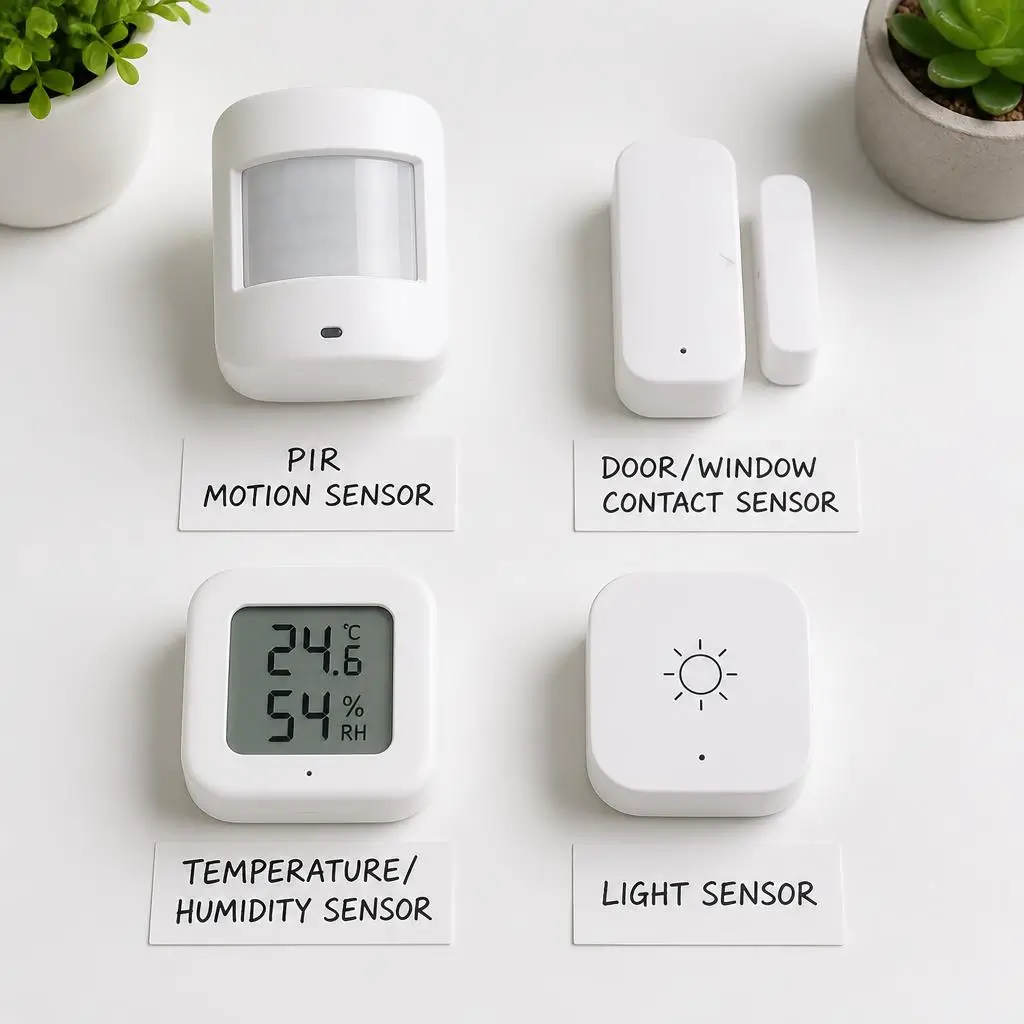
Motion sensors are the most common sensor in any smart home sensors explained list. Use them to turn on lights when you enter a room, trigger security alerts, or activate the thermostat when you get home. Zigbee options like the Aqara P1 or Hue Motion Sensor respond in under 100ms when paired to a local hub. Place them at chest height in corners for maximum coverage, and angle them away from air vents or windows that could cause false triggers. For presence detection (sitting still on a sofa), upgrade to a mmWave sensor like the Aqara FP2, which detects human presence even without motion.
Door/Window Sensors: Know What’s Open
Contact sensors are a security staple. This smart home sensors explained category includes a two‑part sensor and magnet. When the magnet moves away (door opens), the sensor sends a signal. Use them on front doors, windows, and even the fridge door. The Aqara Door & Window Sensor is tiny, battery‑powered, and lasts two years. Automate a chime on your smart speaker when the door opens, or trigger the HVAC to shut off when a window is left open for more than a minute.
Temperature & Humidity Sensors: Comfort and Prevention
Temperature and humidity sensors round out any smart home sensors explained guide. Place them in bedrooms, bathrooms, and basements. They can trigger a smart plug to turn on a dehumidifier, alert you if the bathroom gets too steamy, or simply track the climate of each room over time. The Sonoff SNZB‑02 (Zigbee) or Aqara Temperature Sensor are affordable and accurate. In Home Assistant, you can graph long‑term trends and spot a failing furnace or a damp basement before it becomes a problem.
Light Sensors: Automate Blinds and Dimming
Light sensors are the unsung hero of smart home sensors explained guides. A small lux sensor stuck on a window can tell your home the ambient brightness. When the sun gets intense, it automatically lowers the smart blinds or dims the hallway lights. Many motion sensors include a built‑in light sensor. Use them together to create adaptive lighting that responds to the actual daylight, not just a fixed schedule.