Smart Plug vs Smart Switch: The Beginner’s Choice That Shapes Your Smart Home
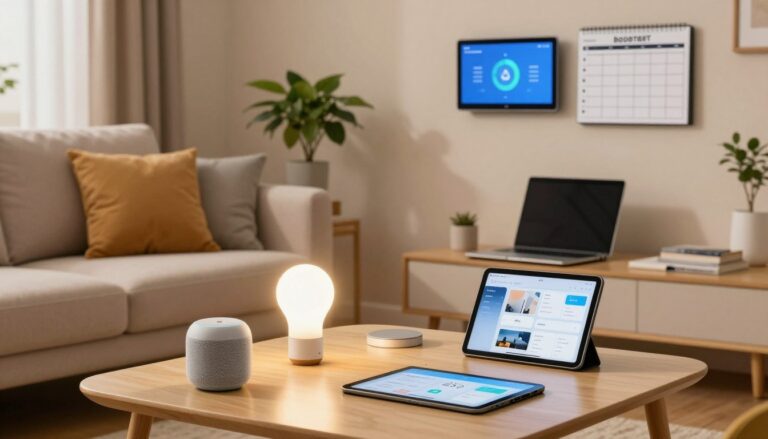
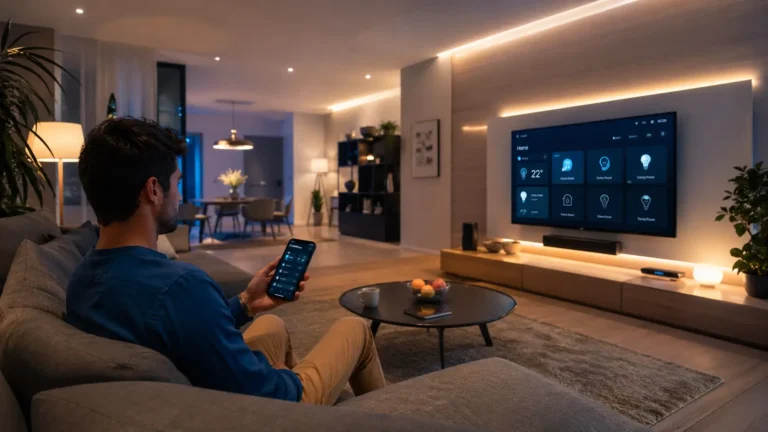
Choosing between a smart plug vs smart switch is the first fork in the road for most smart home newcomers. Both turn your lights and appliances on and off from your phone or voice, but they install completely differently and suit different homes especially if you rent. This guide strips away the confusion so you can pick the right device for every room without wasting money or time.
What a Smart Plug Does Best
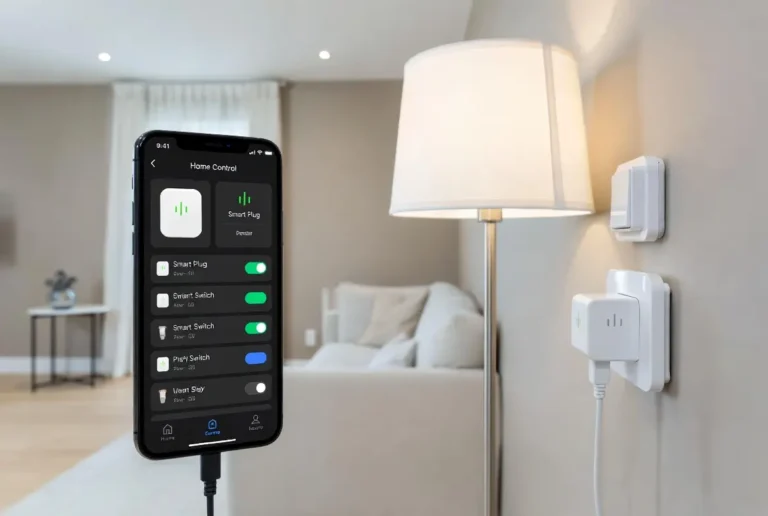
A smart plug is a small adapter that sits between your wall outlet and the device you want to control. It’s the ultimate smart plug vs smart switch choice for renters, because you just plug it in no wiring, no tools, no holes. Use it for:
- Floor and table lamps (especially ones plugged into hard‑to‑reach outlets).
- Coffee makers, fans, portable heaters, humidifiers.
- Holiday lights and seasonal decorations.
The biggest advantage? You can take it with you when you move. The downside: the wall switch must stay permanently ON. If someone flips it off, the plug has no power. You’ll need a switch cover or a note to keep guests from turning it off.
What a Smart Switch Does Better
A smart switch replaces your existing wall switch entirely. In the smart plug vs smart switch debate, switches win when you have built‑in ceiling lights, many bulbs on one circuit, or a household that expects to walk into a room and press a physical button.
- Controls multiple ceiling lights at once (far cheaper than smart bulbs in every socket).
- Works like a normal paddle guests and kids don’t need an app.
- Can dim compatible bulbs if you choose a smart dimmer.
The trade‑off is installation. You’ll need a neutral wire in the switch box (most houses built after the 1980s have them), and you must be comfortable turning off the breaker and swapping wires. If you rent, you’ll need permission and you’ll have to restore the original switch when you leave.
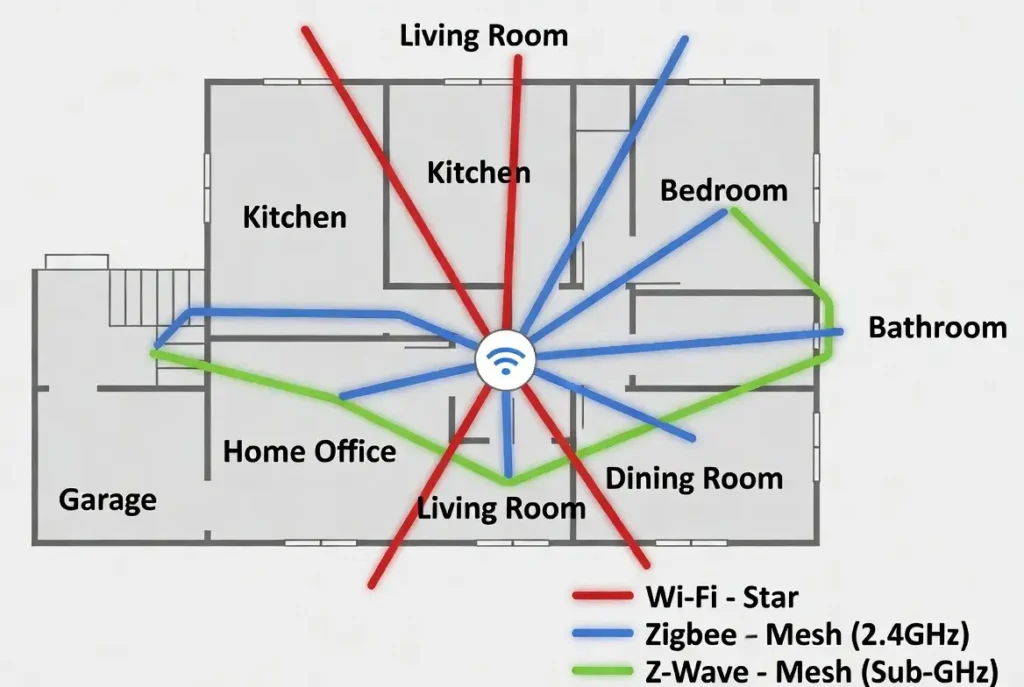
Smart Plug vs Smart Switch: Room by Room Advice
- Living Room (lamps): Smart plugs on individual lamps let you create scenes. Use a smart switch for the overhead light if it’s wired.
- Bedroom: A smart plug for a bedside lamp. A smart switch for the main ceiling light if you want the wall button to work normally.
- Kitchen: Under‑cabinet lights often work better on a smart plug (or a smart strip). Overhead fluorescents may need a switch.
- Outdoor: Smart plug‑in outdoor adapters handle patio string lights, while a smart switch could control a porch light fixture.
- Bathroom (fans): A smart switch with a humidity sensor can replace the fan switch.
The bottom line of the smart plug vs smart switch decision: plugs for flexibility and portability, switches for permanence and whole‑circuit control. Many homes use both.